
9 min read
TL;DR: – A 6kW solar system costs $15,000–$24,000 before incentives; the 30% federal tax credit reduces net cost to roughly $10,500–$17,000 with a 6–10 year payback period.
- Renters and low-budget homeowners can access renewable electricity through community solar or green energy tariffs for $5–$20/month with zero installation.
- Start with a free home energy audit to reduce consumption first – this lowers your required system size and total installed cost.
What Does Switching to Renewable Energy at Home Actually Mean?
Switching to renewable energy at home means one of two things: generating your own clean electricity on-site (typically via solar panels or small wind turbines), or purchasing renewable electricity from your utility or a third-party provider without installing anything.
Most homeowners think "renewable energy" automatically means rooftop solar panels. That's one path – and the most common one. But it's not the only path, especially if you're renting, have a shaded roof, or don't have the upfront capital. Renewable energy is simply energy that is generated from natural sources that cannot be depleted, such as the sun and wind, according to Direct Energy.
The key distinction: self-generation (you own the system and produce electricity) versus purchasing renewable energy (you buy clean power from someone else's system or a utility program). Both reduce your carbon footprint and can lower your energy bills, but they have different costs, timelines, and eligibility requirements.
Key Takeaway: Renewable energy switching has two paths: install solar/wind yourself (6–10 year payback, $10,500–$17,000 net cost after incentives) or subscribe to a green tariff/community solar ($5–$20/month, zero installation, immediate access for renters).
How Do You Choose the Right Renewable Option for Your Home?
Your best renewable option depends on three factors: your home type, ownership status, and budget. Here's how to match them:
| Situation | Best Option | Why | Cost Range |
|---|---|---|---|
| Own home, good roof, $15K+ budget | Solar PV system | Highest long-term savings; federal tax credit; net metering | $10,500–$17,000 net |
| Rent or own but limited budget | Community solar or green tariff | Zero installation; immediate access; no roof requirements | $60–$240/year premium |
| Rural property, 1+ acres, consistent wind | Small wind turbine | Viable if wind speeds exceed 10 mph average | $15,000–$75,000 |
| Own home, want hybrid approach | Solar + battery storage | Maximizes self-consumption; protects against grid outages | $18,000–$30,000 net |
Solar Panels: Best for Most Homeowners
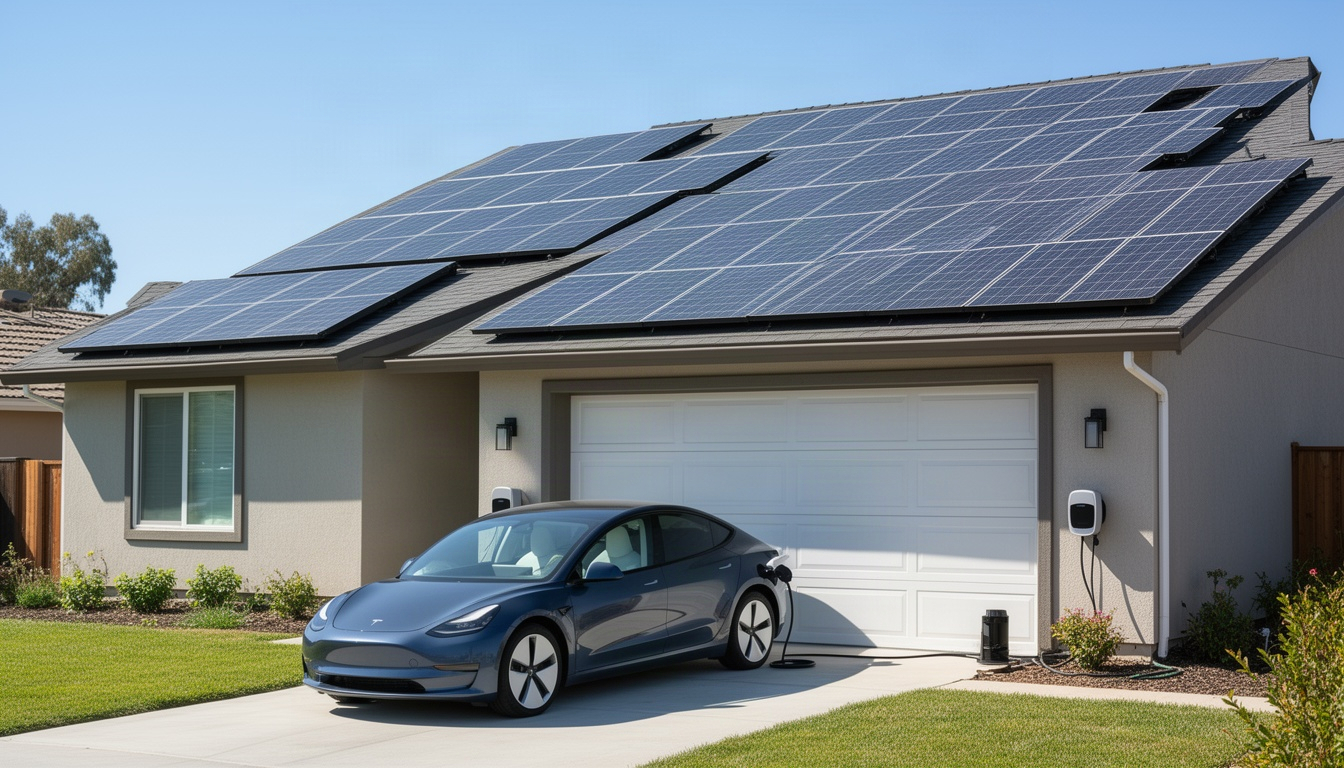
A typical 6-kilowatt solar system for a U.S. home requires between 15 and 20 solar panels, depending on wattage, according to NREL's 2024 benchmarks. At $2.50–$4.00 per watt installed, a 6kW system costs $15,000–$24,000 gross before the 30% federal tax credit. After incentives, expect to pay $10,500–$17,000. Payback typically occurs in 6–10 years, depending on your local electricity rates and available incentives. Your roof must be in good condition (ideally 15+ years of remaining life), face south or southwest, and have minimal shading.
Green Energy Tariffs: Best for Renters or Low Upfront Budgets
If you can't install solar, most utilities offer green energy tariffs – programs where you pay a small monthly premium (typically $5–$20) to have your electricity sourced from renewable generators. Community solar participants can earn credits back on their electricity bill, saving money every month, and many community solar subscribers save 5 to 15 percent off their typical electricity bills.
The environmental benefit is real if the program is certified by Green-e Energy, which verifies that renewable energy credits (RECs) are retired on your behalf. Uncertified programs may sell RECs without additionality, meaning your money doesn't guarantee new renewable generation.
Home Wind and Micro-Hydro: Niche but Viable
Small residential wind turbines cost $15,000–$75,000 installed and are only viable on rural lots of 1+ acre with average wind speeds above 10 mph, according to the DOE. Micro-hydro systems require a consistent water source with sufficient flow and elevation drop, making them viable for only a tiny fraction of US homeowners.
Step-by-Step: How to Switch Your Home to Solar Energy
Step 1: Get a Free Home Energy Audit
Before sizing a solar system, reduce your home's energy consumption through sustainable home improvements. Most facilities that have not undergone a professional energy audit are wasting 15-30% of their energy spend, according to Glocert International. Many utilities offer free audits; the DOE's Weatherization Assistance Program provides free audits and upgrades to income-eligible households. Reducing consumption by 10–30% lowers your required system size and total installed cost. The average annual electricity consumption for a U.S. residential utility customer was 10,500 kilowatthours (kWh), according to the EIA.
Step 2: Assess Your Roof's Suitability
Check four things: roof age (ideally 15+ years remaining), pitch (30–40 degrees is optimal), orientation (south or southwest facing), and shading (no trees or buildings blocking midday sun). Use the NREL PVWatts Calculator to estimate production for your specific address and roof orientation.
Step 3: Get 3+ Installer Quotes
Contact at least three local solar installers and request quotes for your system size. EnergySage data shows shoppers who compare quotes save an average of 20% on their system.
Step 4: Apply for Incentives Before Signing
The 30% federal Residential Clean Energy Credit (IRS Form 5695) applies through 2032, according to the IRS. This credit reduces your tax liability dollar-for-dollar. Example: a $20,000 system × 30% = $6,000 federal credit. Check the DSIRE database for state and local incentives – these can stack on top of the federal credit and reduce your net cost by an additional 10–30%.
Step 5: Installation and Interconnection
From permit application to receiving permission to operate (PTO), the typical residential solar installation takes 1 to 3 months, according to SEIA. Physical installation typically takes 1–3 days; most of the timeline is permitting and utility review. Your installer handles the paperwork, but you'll need to sign a utility interconnection agreement. Anern's beginner's blueprint to permits, grid codes, and net metering is a useful reference for understanding the technical standards and utility interconnection requirements you'll encounter.
What Incentives and Tax Credits Can You Get in 2026?
Federal Residential Clean Energy Credit (30%)
The residential clean energy credit is 30 percent of the costs of new, qualified clean energy property for your home installed anytime from 2022 through 2032, according to the IRS. This applies to solar PV, battery storage, geothermal heat pumps, and solar water heaters. There's no dollar cap for solar.
Example: A 6kW system at $3.25/W = $19,500 gross. Minus 30% ITC = $5,850 credit. Net cost = $13,650. If you save $1,500/year on electricity, your payback is roughly 9 years.
State and Local Incentives
The Database of State Incentives for Renewables & Efficiency (DSIRE) is the most comprehensive source of information on incentives and policies that support renewable energy and energy efficiency in the United States, maintained by the NC Clean Energy Technology Center and the DOE. Search by state and technology type to find rebates, tax credits, and net metering policies specific to your location.
Net Metering: Selling Excess Power Back
Net metering credit rates typically range from retail rate to avoided-cost rates, with a national average around $0.08–$0.12/kWh, according to LBNL's Tracking the Sun report. Note: NEM 3.0, which took effect April 15, 2023, reduced the average export rate for new solar customers from about $0.30/kWh to about $0.08/kWh – a reduction of roughly 75%, according to the California Public Utilities Commission. If you're in California or another state considering similar policy shifts, battery storage becomes more economically attractive, as covered in this guide to home battery storage.
How Much Does Switching to Renewable Energy at Home Cost?
| Component | Cost |
|---|---|
| 6kW solar system (hardware + labor + permitting) | $15,000–$24,000 |
| Federal ITC (30%) | –$4,500–$7,200 |
| State/local incentives (avg) | –$1,500–$3,000 |
| Net cost after incentives | $6,000–$13,500 |
| Annual electricity savings (avg) | $1,200–$1,800 |
| Payback period | 6–10 years |
Financing Options
- Cash purchase: No interest; claim full federal tax credit immediately.
- Solar loan (6–8% APR): You own the system; claim the federal tax credit; pay interest over 10–20 years.
- Lease or PPA: Third-party owns the system; you get lower electricity rates but forfeit the federal tax credit.
Leases and PPAs lower upfront cost to $0–$5,000, but they complicate home sales and limit your long-term savings. Most financial advisors recommend a loan or cash purchase if you plan to stay in your home 7+ years. A green energy tariff costs $5–$20/month premium, or $60–$240/year – far less than solar's upfront cost, but you own nothing and receive no tax credits.
What Should You Do Before Installing Renewable Energy?
Energy Efficiency First
Before installing a renewable energy system, the DOE recommends reducing your home's energy use with efficiency improvements. Typical upgrades reduce home energy use 10–30% with steps outlined in this guide to reducing your home carbon footprint:
- Seal air leaks around windows, doors, and ducts
- Add insulation to attic and basement
- Replace incandescent and CFL bulbs with LEDs
- Install a smart thermostat
- Upgrade to ENERGY STAR appliances (refrigerator, water heater, washer/dryer)
Check HOA and Permitting Requirements
More than half of U.S. states have enacted solar access laws that restrict HOAs from prohibiting solar installations, though reasonable aesthetic restrictions may still apply, according to SEIA. Check your HOA bylaws and your state's solar access law before committing.
Understand Utility Interconnection
Your utility will require a signed interconnection agreement before your system can export power to the grid. This agreement specifies net metering terms, export rates, and your responsibilities. Your installer typically handles this, but review the terms carefully – they vary significantly by utility and state.
Finding Trusted Local Renewable Energy Guidance
If you're navigating this decision in the Hudson Valley or beyond, Green Living Guy offers practical guidance on EV adoption, solar installation, and clean energy transitions. Their blog covers local incentives, real-world cost breakdowns, and step-by-step implementation for homeowners and renters alike.
Frequently Asked Questions
Can renters switch to renewable energy without installing solar panels?
Yes. Renters can subscribe to community solar programs or green energy tariffs, both of which provide renewable electricity without installation. A community solar project is a large, central solar power plant whose electricity is shared by more than one property. Community solar availability varies by state; 22 states plus DC have active markets. Both options cost $5–$20/month and require no landlord approval.
Is solar better than a green energy tariff for saving money?
Solar is better long-term (6–10 year payback, then free electricity for 25+ years). Green tariffs are better short-term (immediate access, $60–$240/year, zero installation). If you own your home, plan to stay 7+ years, and have a suitable roof, solar's long-term ROI is superior. If you rent or have a shaded roof, a green tariff or community solar is the right choice.
What is the federal tax credit for home solar in 2026?
The federal Residential Clean Energy Credit is 30% of your solar system cost through 2032, with no dollar cap. The credit rate is 30 percent for property placed in service after Dec. 31, 2021, and before Jan. 1, 2033. The rate is 26 percent for 2033 and 22 percent for 2034, according to the IRS. You claim the credit on IRS Form 5695 when you file your tax return. Unused credits can carry forward to future years.
Do you need a battery to run your home on solar energy?
No. Most grid-connected solar systems don't include batteries; you draw power from the grid at night and sell excess power back during the day via net metering. Batteries (typically $5,000–$15,000 installed) make sense if your utility has poor net metering rates, you want backup power during outages, or you want to maximize self-consumption.
What are the limitations of home solar panels?
Solar panels require a suitable roof (south/southwest facing, minimal shading, 15+ years remaining life) and work less efficiently in cloudy climates. Shading from trees or buildings can reduce production 10–50%. NEM 3.0, which took effect April 15, 2023, reduced the average export rate for new solar customers from about $0.30/kWh to about $0.08/kWh – a reduction of roughly 75%, according to the California Public Utilities Commission – making battery storage economically necessary in California for new systems.
Ready to Get Started?
For personalized guidance, visit Green Living Guy to learn how we can help.
Conclusion
Whether you own your home or rent, have a large budget or a modest one, there's a renewable energy path that fits your situation. Start with a free home energy audit to identify efficiency opportunities. If you own your home with a suitable roof and $15K+ capital, solar offers the best long-term ROI: 6–10 year payback and 25+ years of near-free electricity. If you rent or want immediate renewable energy access, community solar or a green energy tariff gets you to renewable electricity within weeks for $60–$240/year.
The federal 30% tax credit through 2032 makes this the optimal time to act. Get 3+ solar quotes, check the DSIRE database for state incentives, and understand your utility's net metering policy. If you're in the Hudson Valley or exploring local options, Green Living Guy provides practical guidance tailored to your region and situation.
More from Green Living Guy: Electric Vehicles services · Green Living Guy